
Gluten Free Travel
So you’ve been doing great at home preparing gluten free meals and finding safe local restaurants to dine at, but now you’re taking a big trip. Here’s some tips to help you avoid getting glutened while travelling.
Air Travel
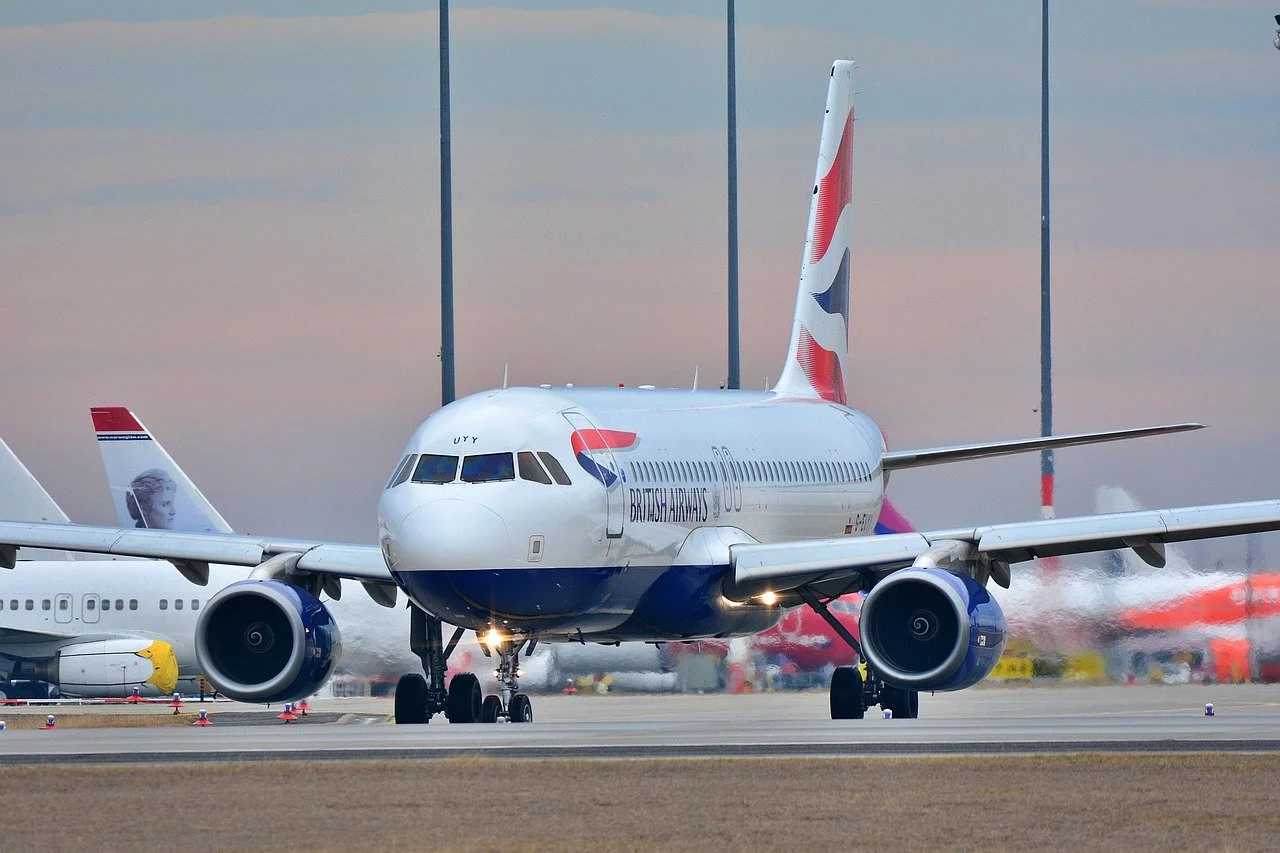
This is always the worst part, especially for long journeys.
Always, always, ALWAYS bring plenty of your own food, even when your flight has meal service and allowed you to preselect a gluten free meal (more on that below.) For me, my safe snacks consists of things like Kind bars, almonds, string cheese (this stays fresh for many hours unrefrigerated), popcorn, hardboiled eggs, meat sticks, tuna or salmon pouches, summer sausage, etc. It basically looks like a lot of the typical food I would take hiking or backpacking. Having these items with me definitely takes away the stress of worrying about possibly going hungry.
If you travel carryon only and are worried about the space these items take up, airlines require that you are able to bring your own medically necessary food and this is not allowed to count towards standard quantity, size and weight requirements for carryon baggage. The important thing is that all of these items must be together in a separate bag or small soft cooler and not have anything else inside that could be deemed not a medically necessary food for travel.
If you choose to travel with items that need refrigeration, you can bring still frozen ice packs through TSA. Another option is to bring a large Ziploc bag and ask an airport restaurant for ice, or the flight attendants once you’ve boarded.
It’s very important that you understand if you have celiac disease, unfortunately airplane meals are never going to be guaranteed free from cross contamination. Even if you are not celiac, there is no guarantee of getting a safe gluten free friendly meal even on very long flights with meal service. For the most part, the powers that be with the airlines just seem to be living on another planet where food allergies and dietary restrictions don’t exist.
Now, for some flights with meal service, you can note in your flight meal preferences or your account that you have a dietary restriction and need a special meal that’s gluten free. Again, this won’t be celiac safe, but can be sufficient for many people. If this is an option on your flight, definitely do this as it will likely ensure you have some safe foods to eat. Even if you are celiac and don’t want to risk a hot meal that could be cross-contaminated, it will usually at least come with some prepackaged gluten free foods (usually a dinner roll and some type of sweet) that are safe for celiac. That has been my experience on most airlines. KLM is another story. More on that to come in a future post I will link to here shortly.
Unfortunately, many flights, even some long international ones and domestic first class do not have this option. It’s bizarre that you can pay a premium price for a first class ticket, which adds the perks of a hot meal, free alcohol, and more, but then not have the option to pre-select a safe meal.
At least when in premium seating, the service is a bit elevated and I’ve found the flight attendants will try to round up safe foods for you if there is anything on board. It’s pure chance whether there will be anything though. And if you’re in anything but first, it’s really a roll of the dice with the airline, the catering company that loaded the food, and the quality and staffing level of the flight attendants onboard.
I mostly fly economy and while I’ve had some excellent service experiences, many more in recent years have made me feel like I was being detained in a prison and lucky if I even got a small cup of water. That’s sadly even been the case in premium economy seats at times, so again, don’t expect that they will go out of their way to find you food, and again, often it’s pure chance based on what was loaded on the plane to begin with.
Now, even when you’ve done the right thing and selected a gluten free meal in advance, unfortunately, things can still go awry. You can end up without that meal you pre-selected if the catering company forgot to load it, or if a flight attendant serves it to someone who didn’t preorder before they get to you. Or, your flight gets cancelled and you’re rebooked, but it’s too close to departure time for them to ensure you have a safe meal onboard the new flight.
These things aren’t supposed to happen, but they do, all the time. And if you’re seated in economy and/or the airline did not give you the option to request a gluten free meal, nor to preorder off their menu a meal that looks safe, you may also go hungry. By the time the flight attendants get to you and ask for your meal preference, they may be down to a pasta dish or a calzone. It sucks, and shouldn’t happen, but it’s reality. Which brings me back to my first point - always, always, ALWAYS bring your own food.
One thing I also do is research my departing and connecting airports in advance to see if there are gluten free options there. Often, I can at least find a hearty salad or bowl that’s gluten free to bring on the plane (which beats a sad meal of Kind bars and meat sticks), but the options are often slim pickings, even in the largest airports, and may not be anywhere near your terminal, so don’t count on this unless you’ve done the research. And any flight delays can force you to have to scrap that plan and leave you running to your next gate hungry. So I repeat, always, always, ALWAYS bring your own food.
Dining out in a new city

This always requires at least some research. I rely mostly on Google and Yelp searches to start. Go to the “search” function in the reviews section for a restaurant and search for “gluten” and you’ll find reviews that will give you an idea of the level of gluten free friendliness. But menus change, so the next step is to visit the restaurant website and check out the current menu. Again, fortunately, but unfortunately, more and more people are getting diagnosed with celiac or experiencing gluten intolerance worldwide, so it is getting much easier to dine out safely.
One thing to remember is that even the best places that have excellent gluten free options, properly labelled menus and very knowledgeable staff anywhere in the world can have a slip up from time to time, especially when it comes to the complimentary things. An amuse bouche that lands on every table, just like a water glass, is often brought over by a random food runner or host who doesn’t know your dietary restrictions. The same goes for bread and complimentary desserts. Sometimes your server might catch them before they drop it off, but often not. Don’t eat anything before you’ve had a chance to ask. But also please do not expect them to bring you something different instead. If they have something different, they will offer it.
Hotel buffet breakfasts
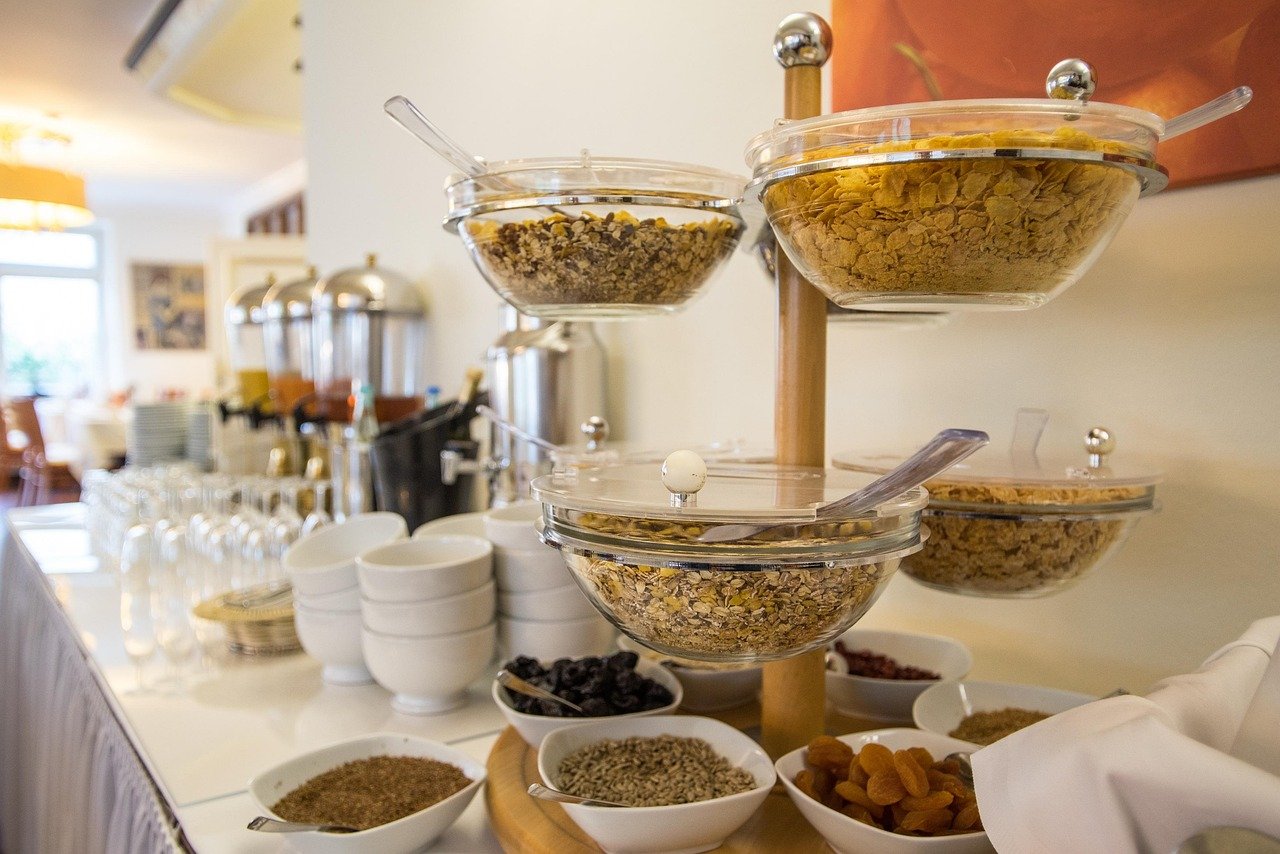
I do love the convenience of a good quality hotel breakfast when travelling. I like to be able to munch on a little something and grab some coffee before heading out for a busy travel day. Before paying extra for this at a hotel though, I always email the staff to clarify what items are regularly served. At some places, especially in the U.S., that breakfast buffet may be just cold cereal (perhaps all wheat based), a self-serve waffle maker, sugary yogurts and maybe hard boiled eggs if you’re lucky. I won’t pay extra for something like that. I’ll try to find a hotel that offers eggs, bacon, sausage, and other more substantial offerings like charcuterie, plain Greek yogurt, etc. I find many European hotels offer great to absolutely jaw-dropping fantastic breakfast buffets.
When the hotel breakfast situation is bad, I just book a spot that has a safe breakfast spot nearby. And of course, I always have those extra snacks on hand so I can just chow down on a Kind or Rx Bar to hold me over until lunch when needed.
To easily keep track of the safe places to eat, I create my own Google map that plots out the restaurants and locations I know I can eat. That way I can easily consult the map and find a safe spot near wherever the day happens to take me.
International travel
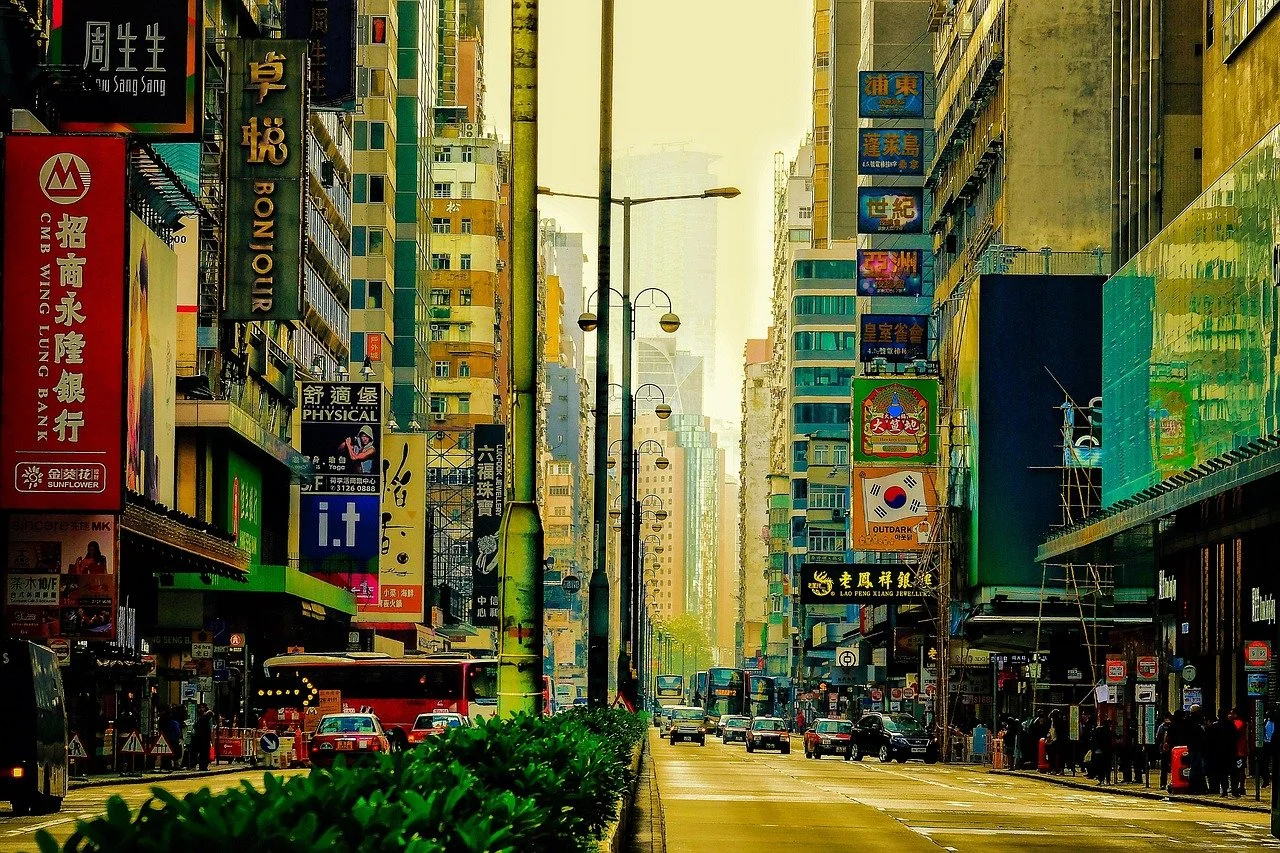
Especially if you are celiac, extra sensitive, and/or have other food allergies or intolerances, always make up some paper cards before your trip that have your dietary restrictions listed in the local language. Keep that on your phone in digital format as well as a backup. It’s ideal to have several of the paper cards though as the server can take one right back to the chef and ensure they can provide you a safe meal.
It’s helpful to learn to say these phrases too especially if you like to just roam a city and pop in at places that look interesting. If you can speak to the host about what you can’t eat, they can generally advise right away if the restaurant will be suitable for you or not before you’re seated and attended to.
Fortunately, and unfortunately, celiac disease and gluten intolerance is becoming more and more common worldwide, so many restaurants are well trained and informed, and more and more seem to be adding gluten free offerings. In addition, many places outside the U.S. tend to focus more on real, whole foods vs. the overly processed foods that are everywhere in the U.S. That said, lots of cuisines rely on staple sauces and seasonings that could spell trouble if you’re not careful!
Business Travel

This one always stresses me out a bit and requires a bit more advance planning. If the trip is semi to fully independent where you set your own agenda and you’re free to grab your own meals, then it’s no different than any other trip. But for organized conferences with meals provided and/or happy hours and dinners with associates, it’s essential to do some legwork.
For large conferences, there is generally a point of contact with the organization that you can reach out to in advance and inform them of your dietary restrictions. Many conferences ask you to fill out dietary restrictions on their registration forms as well. Always do this and then follow up as the date gets closer to ensure you’re taken care of.
Larger conferences usually will have large buffet style meals with good portions of food set up and labelled for dietary restrictions like gluten free, vegetarian etc., whereas smaller conferences might be handing you a special meal that’s gluten free and sparing you of the buffet.
For the happy hours and dinners, this is largely going to depend on who’s sponsoring or hosting. If you or your company is hosting, book a restaurant that’s safe and accommodating for various dietary restrictions, not just your own. If you’re entertaining new potential clients, the last thing you want is for them to feel uncomfortable or go hungry.
If you are being invited and another company is hosting, politely ask the hosting company about the restaurant and if they can accommodate your dietary needs. Sometimes companies arrange a prix fixe meal with a restaurant for events like this to control costs, which often won’t work for gluten free, but I’ve found if you ask, often you might be served something different that works for you. For happy hours, prepare to possibly not be able to snack on anything at the event. Pack some snacks you can munch on right before or during if needed, which I recommend over just drinking on an empty stomach at a work event!
Road trips
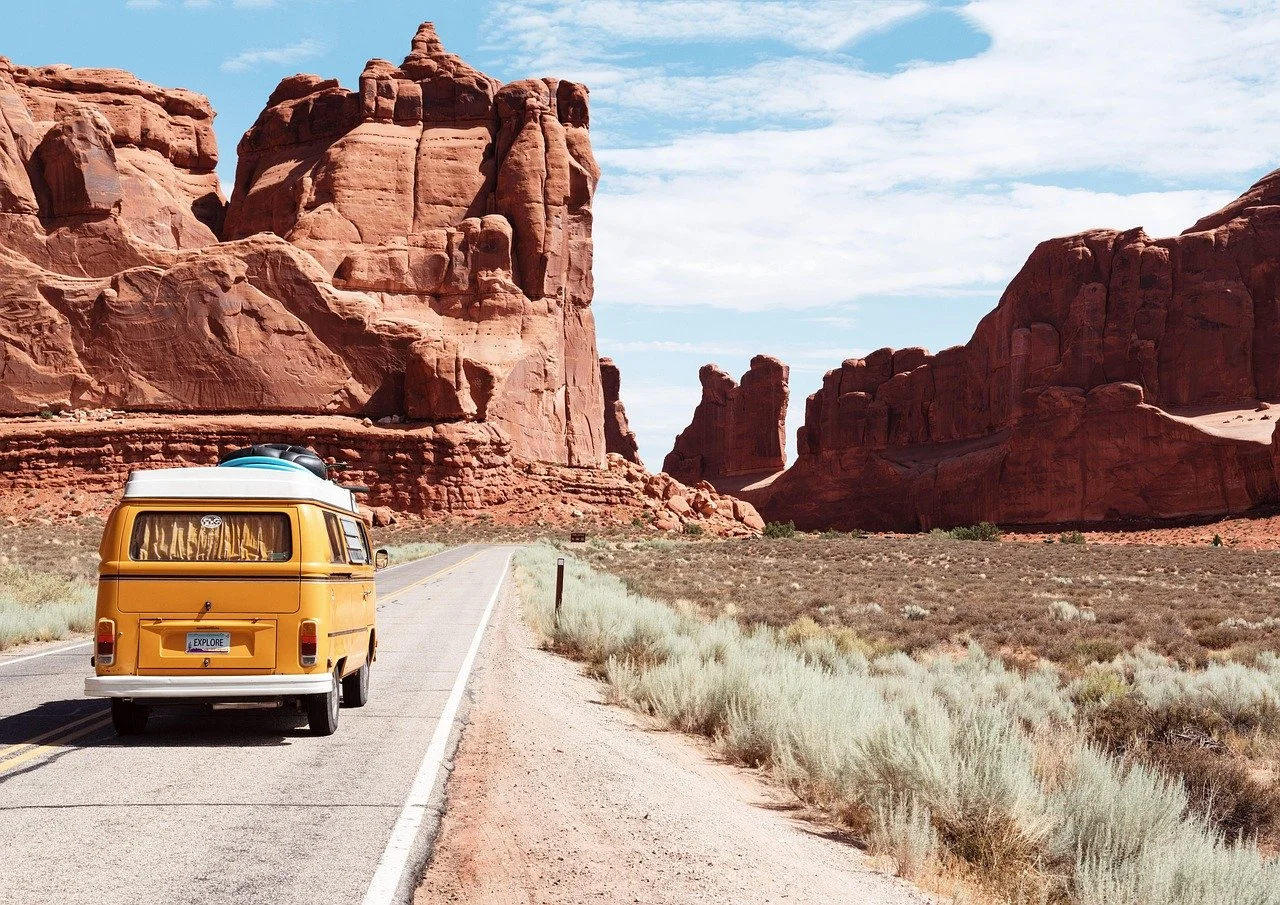
Road trips are generally the easiest as there is nothing to prevent you from packing your own safe foods to eat along the way. Even if you flew to your starting point, you can pick up a cheap styrofoam cooler at a shop and load it up with ice and anything you might need during your journey. Do some research in advance to find a market to load up on some safe, real foods soon after your arrival.
Of course, the best thing about road trips is all the extra indulgent gluten free treats you might not necessarily eat regularly at home. It’s a good idea to pack some of your favorite items in advance as convenience store options can vary quite a bit depending on the country you are in.
I highly recommend not counting on dining out for all your meals during your trip unless you’ve done some significant research and plan to adhere to a timeline that won’t lead you to arrive at a restaurant for lunch after they’ve shut down for the afternoon, for example. I like my road trips to be chill and stress free, so snacks are mandatory! That way if I get a late start, there’s a road closure/construction, or I just want to spend some extra time at one of the stops, I don’t have to worry about going hungry as a result.
If your road trip is in the U.S., assuming it’s not too rural, I have a great guide on fast food stops in this post - Gluten Free Guide to Fast Food Chains.
I’d love some feedback and assistance in expanding this list as I know many fast food chains are regional and my primary roadtripping experience while gluten free has only been on the west coast and southwestern parts of the U.S. Contact me anytime, or comment below!
Cruises
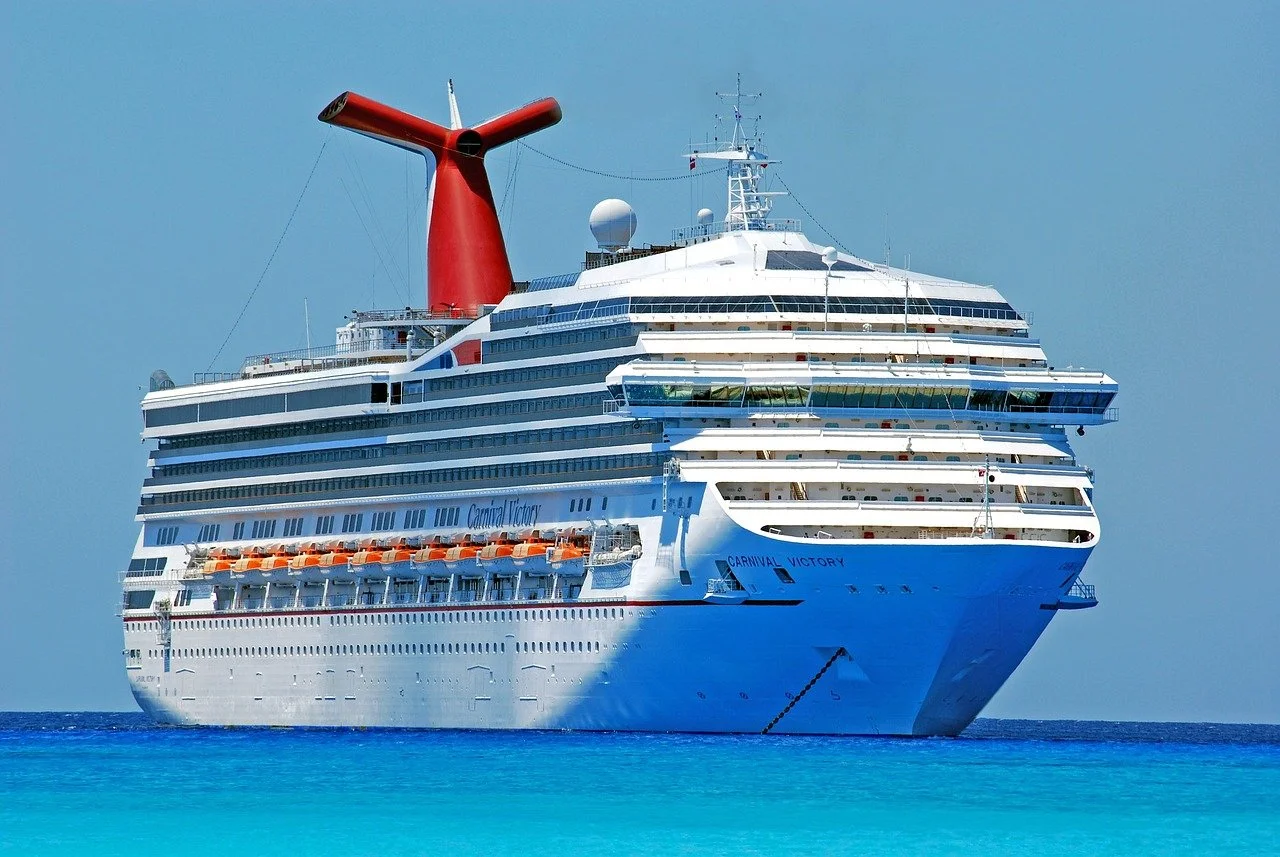
Disclaimer, I’m not a big cruiser. I’ve only done two in my life and only one was since I went gluten free. That one gluten free cruise though was 9 days long so I absolutely made sure to do a significant amount of research before the trip.
The first rule of gluten free travel definitely applies here and you should always at least bring some safe snacks. I found those snacks most helpful for excursions where you’re dealing with a third party (even when booked through the cruise line) and what they provide can be hit or miss.
On the cruise ship itself, it’s meant to be all-inclusive though so most all dietary restrictions are accommodated. Either during your booking or a couple months before your trip, there is a form you can fill out with the cruise line indicating any special accommodations that may be needed. These could be for anything from physical limitations to dietary restrictions. So I filled this out and noted my need for gluten free food.
I was on the Norwegian Sun, which is a smaller, older ship, for an Alaskan cruise. As this ship doesn’t have any of the fancy things like go cart tracks and massive water slides, it meant it was relatively peaceful without a lot of kids running around everywhere. The ship did have a whole wing just for kids though, so you can absolutely travel with them. The kids can stay entertained all day, and the adults can get some peace.
Now, back to the food. When you specify that you need gluten free meals in advance of your trip, someone will reach out to you after you board the ship. In my case, they left a voicemail on the stateroom phone with request to meet with them to go over meals. When you do this, you can basically pre-order your meals with them so you ensure you get your specific gluten free meal each time. This is probably the best way to go if you are celiac and extra sensitive to cross-contamination.
After doing some research and talking with some people, I actually elected not to do the meal pre-order for a few reasons (but I really appreciate that this is available!) First, I learned that the main dining room menus were already marked up for gluten free items. Second, my dietary restriction was digitally linked to my cruise badge so for every meal in the main dining room I was always brought gluten free bread to enjoy at the table without even having to ask. The gluten free bread on my ship was delicious and they happily brought me more when I quickly mowed down an entire basket! Lastly, being the foodie that I am and someone who often likes to decide what to eat at the last minute, I wanted that freedom of choice for my on-ship meals, and I also had planned to use some of the specialty dining options on the ship that are not all inclusive as well.
The buffets were definitely more challenging though, mostly because you needed to be able to navigate the crowds to find those select items you could eat and then squeeze in there to get them before they’re gone and have to wait for more. It becomes a bit more of a free for all, which I’m sure if you do the meeting with staff you can avoid.
Bottom line is you don’t need to worry about going hungry while on board a cruise ship as there are no limits on food and plenty of gluten free options - just bring snacks for excursions!
Group Tours & Excursions
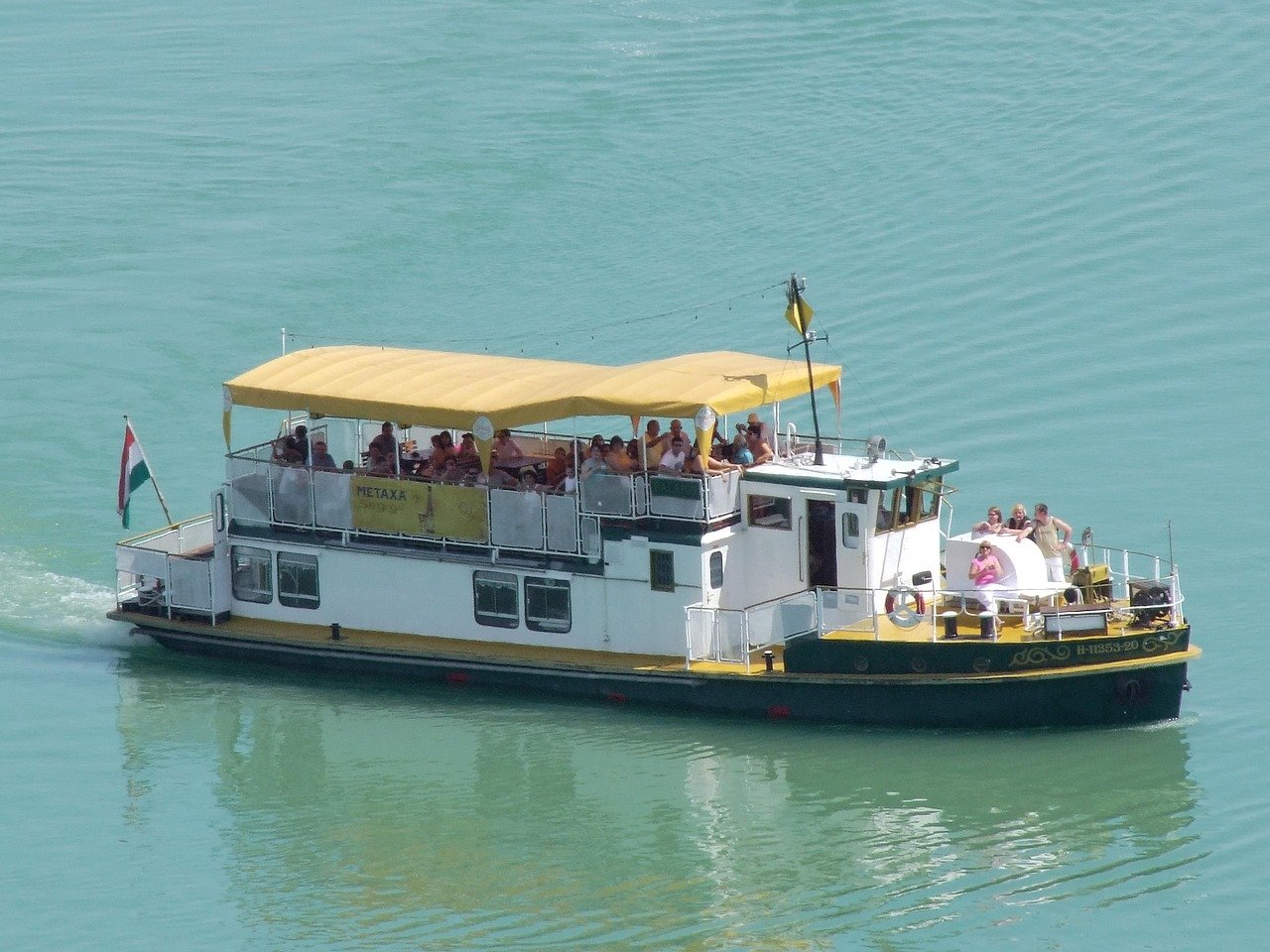
These are often hit or miss so I try to limit booking them unless it truly is the only practical option, or am feeling like a last minute adventure. Quick note for cruising, absolutely book excursions through the cruise line as in case of delays, the ship will only wait for those passengers that are out on excursions booked through the cruise line. If you book privately, you risk getting left behind if there are any issues with your outing.
For non-cruising, most tours that you’d book through a site like Tripadvisor that have some sort of meal or snack included will advise in the listing what dietary restrictions they can accommodate and then when you book, you just need to note what yours are.
Unfortunately I’ve found the definition of “accommodate” often means if they serve sandwiches (for example), if you’re gluten intolerant, you just don’t get the bread, which means your meal may be a sad stack of meat and cheese. Fine if they bring some extra, but not so fine if you basically get one slice of meat and two slices of cheese. And if the side was pasta salad (for example) nothing served in place of that. Again, if they bring extra food you’ll be fine, other than the meal may be a bit boring.
Also, tours with stops where snacks or light bites are included often have no gluten free option at all, or you just might be able to eat some fruit while others are enjoying tea sandwiches and little puffed pastries. Since it’s just snacks, I guess they figure it’s a take it or leave it thing - this is where bringing your own comes in handy!
Bottom line is you’re not going to get your money’s worth from the food aspect on most tours, and will likely be hungry if you don’t bring your own goodies. So when a tour is the best, or only, way to see something, just come prepared!
Note, I didn’t cover food tours as I have not yet done one of these while gluten free. I would love to hear from you though if you’ve had a positive experience on a food tour (anywhere in the world) while gluten free!
That’s all for the moment, but I plan to regularly update this page and would love to hear your suggestions or questions! Please comment below!
Happy travels!
