
Misconceptions about Gluten and Celiac
While this website is in no way meant to be taken as medical advice, I do want to put some easily digestible (pun intended) information out there regarding common myths and misconceptions about gluten, gluten intolerance, and celiac disease.
Celiac Disease is an Autoimmune condition, not an allergy or intolerance

If a person is diagnosed with celiac disease, this is an autoimmune condition where the consumption of gluten causes the immune system to attack its own cells in the body. In the case of celiac, the immune system attacks the small intestine, which flattens the little villi that line it. When this happens, it becomes very difficult for the small intestine to properly absorb nutrients, which can lead to serious vitamin deficiencies and in extreme cases can cause issues in the brain as well as increase the risk of many cancers of the digestive tract.
Celiac Disease can be asymptomatic

Not everyone with celiac has obvious, visible reactions when they consume gluten. While most people do get symptoms like digestive pain, cramping, diarrhea, vomiting, skin and tissue inflammation, fatigue, and brain fog, there are plenty who do not.
Some with asymptomatic celiac disease may think they can continue consuming gluten without ill effects as a result. Unfortunately, the gluten is doing damage to the small intestine regardless of whether you feel any ill effects at the time. Maybe consider this a blessing if you are asymptomatic and want to have a taste of something containing gluten when travelling, but making a habit out if it puts your health and well-being in serious jeopardy.
For the rest of us, we know the drill when we get glutened. Even with the most careful precautions, it’s bound to happen from time to time. On top of this, I recently learned that the body can become even more sensitive to smaller amounts of gluten the longer you have eliminated it from your diet. So while I used to not worry as much about cross contamination or a little bit in a sauce or gravy, I now often suffer the same as if I had taken a bite of bread several years ago.
My friend says they can eat Bread in Europe, but not in the U.S.

I hear this one a lot, to the point that I had to test this out for myself in my early days of gluten intolerance. Here’s the deal. The fermentation and processing used to make breads and pastas in many European countries does differ a bit from normal processes in the U.S. Extended fermentation actually consumes some of the gluten in the process, so breads produced this way (which also extends to sourdoughs in the U.S.) just have a lower gluten content.
What this means is if you have gluten intolerance, but it takes an entire sandwich with a beer to trigger noticeable symptoms for you in the U.S., you might feel just fine eating a croissant for breakfast and some pizza later that day when travelling in Europe. If you have gluten intolerance and not celiac disease, then go ahead and enjoy this benefit when travelling or wanting an occasional cheat in the U.S. that’s not going to punish you quite as much.
If you have celiac disease however, consuming less gluten only means you might have less severe or noticeable symptoms due to the lower gluten content, however you’re still causing damage to the villi in your small intestine. In that case, making an exception and eating something with gluten when travelling might be fine for a short while, but do not make a habit of it and definitely do not think if you only moved to Europe you could eat bread and pasta all the time. That’s simply not how it works and damage from gluten is cumulative.
As for my own experience, I tested this out in 2019 after eating gluten free for well over a year. I was heading to Europe to complete a stretch of the Tour Du Mont Blanc. I had specified gluten free food at all the mountain refuges we’d be staying at that include meals as I most definitely wasn’t planning on pushing my luck with gluten while thru hiking in the Alps.
Before the trek I decided to spend a couple days in Annecy, France, which is a gorgeous lakeside village with canals that many call the Venice of the French Alps. I stumbled upon a spot with a nice courtyard that had a charcuterie spread that I absolutely could not pass up. I sat down and enjoyed all the lovely cheeses, cured meats, jam, and many pieces from a wonderful rustic baguette. I had a little stomach discomfort that evening and needed a few extra trips to the bathroom the following morning - but that is about how I would react to having just one bite of fried chicken in the U.S. So indeed, because I consumed less gluten, I didn’t feel AS bad when I ate gluten in France.
Celiac Disease is not an Allergy
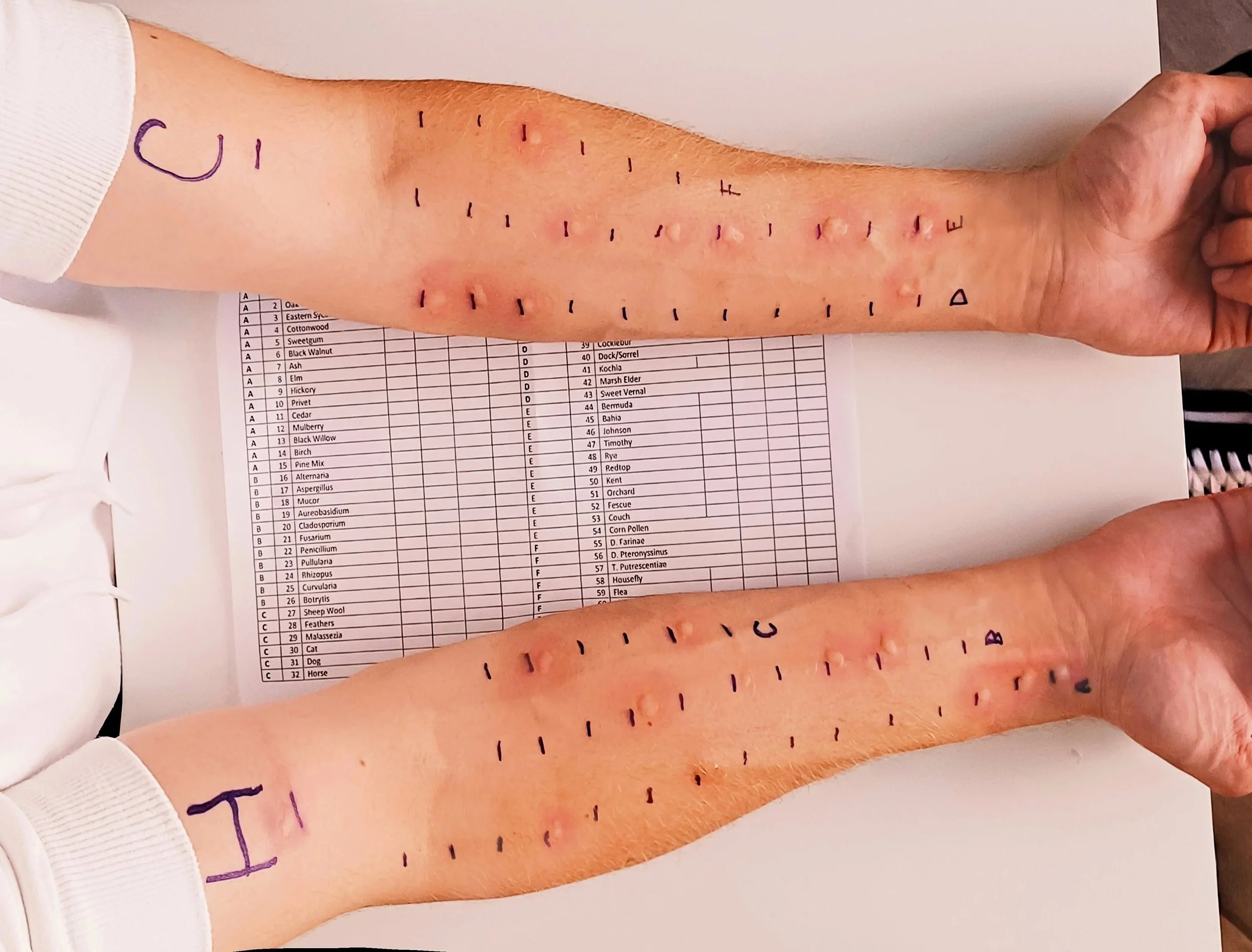
Some people, even those that have celiac themselves, have a misconception that celiac disease is an allergy to wheat or gluten - it is neither of those things. As mentioned above it is an autoimmune condition where the body attacks its own cells, and in the case of celiac that attack is triggered by eating gluten. An allergy would be where the body’s immune systems overreacts to a particular protein in something, which creates an inflammatory, allergic reaction. Sometimes the symptoms of food allergies can be similar to celiac symptoms, and it’s possible to have both, so it’s recommended you have thorough testing if you suspect something in your diet is making you ill.
Celiac Disease and Gluten Intolerance are not a wheat allergy
The reactions people experience with celiac disease or gluten intolerance have nothing to do with wheat - it’s a reaction to the gluten only. Wheat just happens to contain a good amount of gluten protein, but several other grains do as well like barley, rye, couscous, semolina and others - those are not safe to consume if you have celiac or gluten intolerance. But if wheat had no gluten, it would be safe for those with gluten intolerance or celiac to consume - continue reading below.
That said, some people who think they have gluten intolerance could be reacting to something else in breads and pastas. In the U.S., many have concerns about the glyphosate our crops are sprayed with and it’s possible it could be at the root of reactions for some people. There is no irrefutable evidence one way or the other on this at this time. Others might have mild food intolerances to yeast or wheat.
Gluten Free Wheat Starch is a thing
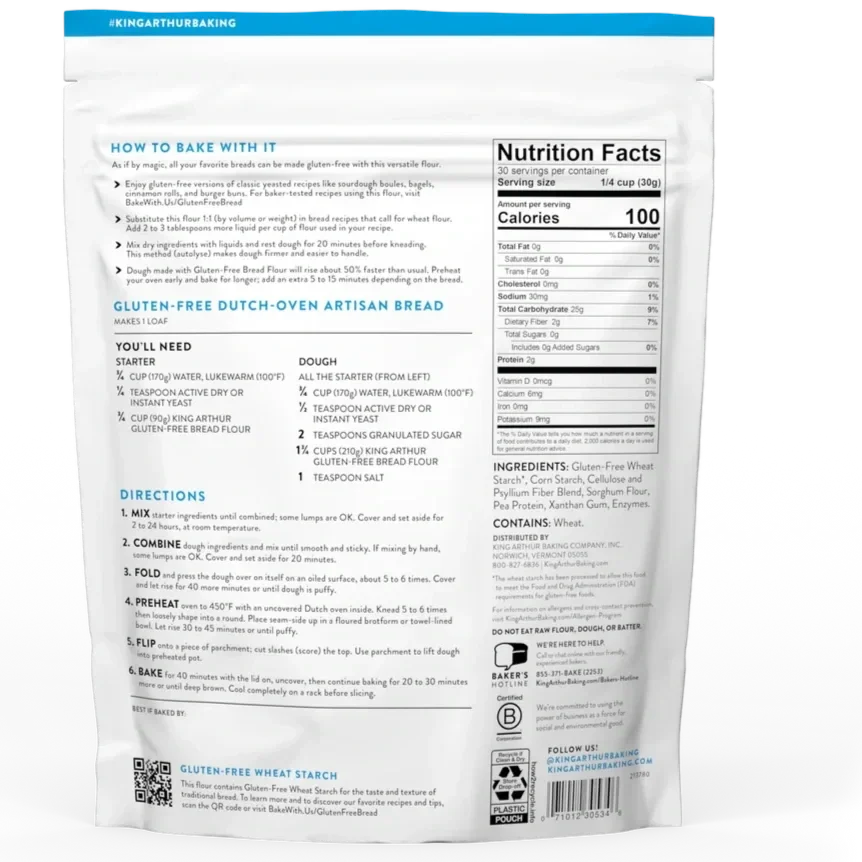
In the last several years as gluten free foods, especially baked goods, have become so much tastier, you may have noticed an ingredient on some labels called “gluten free wheat starch.” What is that? Well, it’s basically wheat that has had the gluten washed away to the point that any level detected is below the threshold for a food product to be marked as a certified gluten free. The use of gluten free wheat starch greatly improves flavor and texture of gluten free baked goods like breads, pastries and pizza crusts. And yes, it is safe for those with celiac disease.
All that said, I occasionally have heard that some folks have mild reactions to products with gluten free wheat starch. There could be several reasons for this. One is that they could be experiencing a cumulative reaction due to eating a high volume of products with gluten free wheat starch in a single day. That could put them over the safe daily threshold. Another reason is they may actually have a wheat intolerance or allergy in addition to celiac disease. Also, as both allergies and autoimmune disease involve the immune system, triggering one condition, like by eating gluten free wheat starch with a mild wheat allergy, can make symptoms worse for other immune related conditions, like celiac.
Get tested for Celiac before eliminating it from your diet

Oh, how I wish I knew this many years ago. In my case, I happened to eliminate gluten as a byproduct of going on a clean keto diet back in 2018. By “clean”, that meant no weird processed “low carb” foods, but just meats, cheeses, eggs, green veggies, nuts, berries, avocados, and butter - basically all whole, real foods. I felt great for the first time in years. I had stomach and digestive issues for many years that I attributed to not having a gallbladder. Those issues vanished within a week of eating keto.
After I had been eating clean keto for about six months, I would occasionally have a small bite or portion of a non-keto food when traveling - like a couple pieces of a sushi roll, a few fries or breakfast potatoes, even a little mini ice cream after a sweltering hike in August in Utah. I felt fine after consuming all these things.
Then I went on a wine tasting trip and my friends and I were at the last winery of our trip and had a lovely charcuterie board with paté. I decided to have a little splurge and have a little bit of bread to enjoy the paté. A few hours later, on the long drive home to L.A., the stabbing pains in my stomach began. I barely slept that night, the pain was so bad, and the next morning I was basically chained to my toilet.
That was the “a ha!” moment for me and I realized gluten was the problem all along. No problem, I thought, I’ll just go back to eating keto and no breads for cheats. So I did that.
Eventually I went back to a more normal diet, though gluten free, but I was not being careful about cross contamination, sauces, gravies, etc. when I went out. I would occasionally have a small bite of something with gluten when travelling, or do something silly like just lick the buttery garlic off the free garlic twists at C&O Trattoria (IYKYK).
This never posed a problem until more recently. Now, even the minor cheats are causing symptoms and it has me wondering just how careful I need to be now. As mentioned, celiac is an autoimmune disease and I’ve had an autoimmune disease for nearly 30 years now. When you have one, it increases your odds of getting another as your immune system is just dysfunctional, and celiac is especially common for those with autoimmune thyroid disease.
I finally thought to ask my doctor about getting tested a few years ago and they informed me of the brutal, unfortunate truth. To be tested for celiac disease, you have to be consuming it regularly for weeks - often up to 2-3 months! This is because the blood test looks for the antibodies your body is producing in response to gluten exposure (the ones that attack your villi), and the endoscopy (the gold standard check for celiac) is looking for flattened villi, which only happens after you’ve been actively consuming gluten for some time. If you’ve been gluten free for a while, those tests will look normal because you’re doing what you’re supposed to by not eating it.
Given the severity of my symptoms these days, I can’t imagine completing the “gluten challenge” and forcing myself to eat it regularly for 2 months - I honestly can’t see how I wouldn’t land in the hospital by day 3 due to severe dehydration and electrolyte imbalance based on my current reactions.
So if you suspect you have an issue with gluten and are still eating it, please, please, please, talk to your doctor and get those tests booked while you’re still consuming it. And if you only recently gave it up, try to go back to eating it for a while to get tested.
I would love to hear some feedback on any gluten or celiac myths you’ve encountered. Please comment below!
