
Gluten Free Backpacking & Camping
So I’ve previously written quite a bit about eating gluten free while traveling, but for serious outdoor lovers like myself, I realize prepping for a backpacking or camping trip can be a bit more intimidating, especially your first time. Here are my tips on what to bring and how to approach these adventures.
This post contains affiliate links. See our disclosure policy for details.
Camping
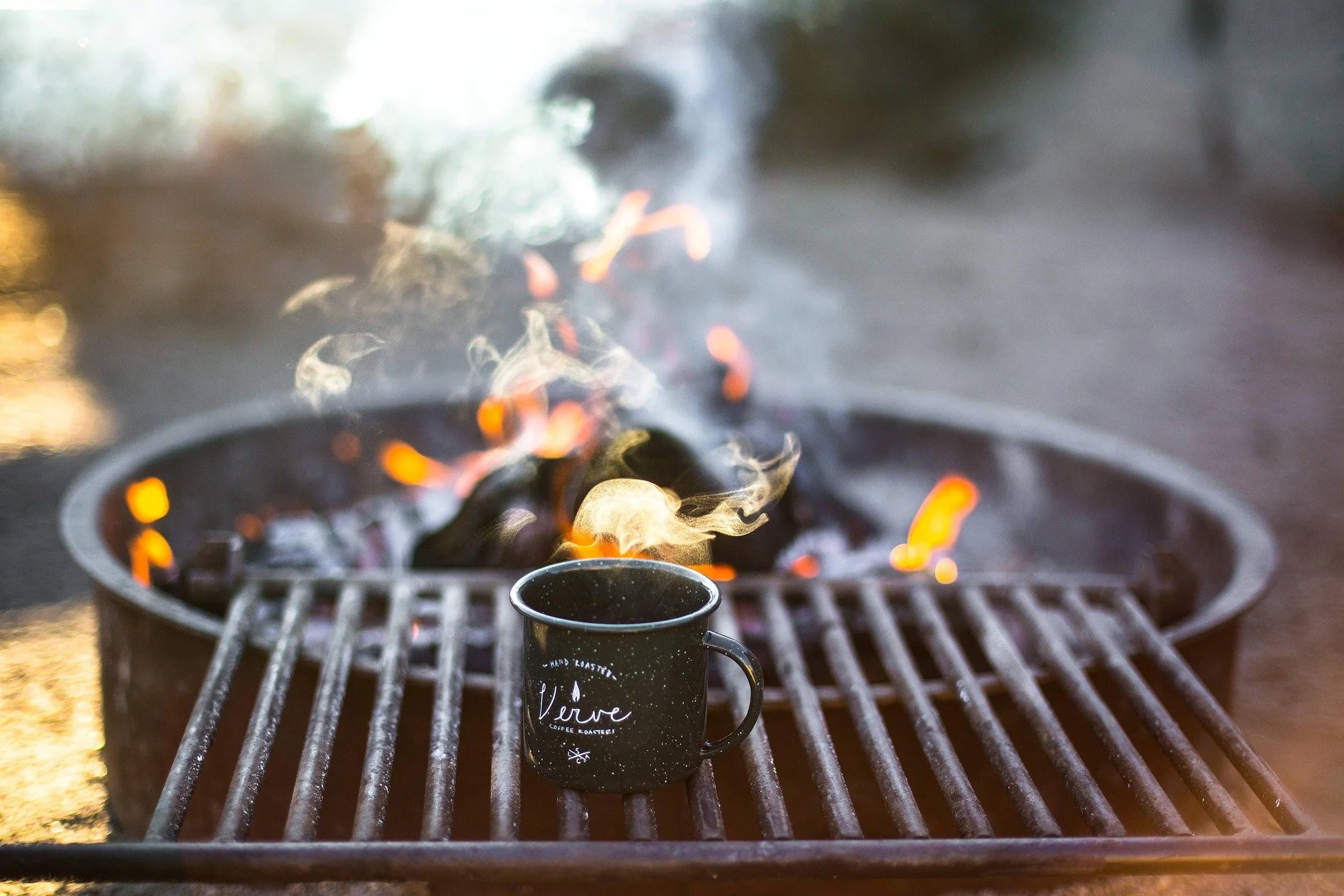
We’ll start with the easiest one first. Assuming you are staying in a drive up campsite, which is what most people are familiar with, you are at liberty to bring as much as you like food and beverage-wise. You can bring a cooler filled with refrigerated safe foods, and whatever dry goods your heart desires.
Your main consideration for car camping trips will primarily be the campground cooking and cleaning amenities. For a well-equipped campsite, that will usually include a good sized firepit, often with a grilling grate (like pictured above), a picnic table to set up a prep area as well as a secondary cooking station if you bring a portable campstove, and water access to allow you to scrub down pots and pans.
For this type of campsite, you can pretty much cook however you like to cook at home, just with the knowledge that you won’t have a dishwasher to help you clean up at the end of the night, and depending on where you are, everything with a hint of food on it (as well as all your toiletries, makeup, etc.) may need to fit inside a secure, steel bear box at the campsite, so don’t go crazy overpacking smellies in bear country!
For a less equipped, rustic site, there may be no fire pit, no picnic table, or ability to easily wash lots of dishes. At these sites, you’ll want to plan less messy meals.
Some of my favorite meals for camping:
Tri-tip roast. Tri-tips are absolutely amazing cooked on a campfire grill! Cook it for a little while on each side directly over the fire to get a nice sear, then move it aside to continue cooking through more indirect heat. Bring a meat thermometer if you can’t tell doneness level with the poke test. Tri-tips are perfect for easily feeding 3-5 people with minimal effort. Do be sure to check the label of any marinated tri-tips though as some of these may contain gluten. Prep sides of potatoes and/or veggies in foil packets for an easy full meal with minimal cleanup. Don’t forget to bring a good knife and cutting board to slice the tri-tip when it’s ready!
Taco bar. Another fun option for easily serving multiple people. You’ll want to have a good sized table for this. Bring the following: corn tortillas, chopped onions, chopped cilantro, cheese (if desired), and meat of your choice. Foil packets again are the easiest way to cook the meat, or you can bring a pan and brown things over the heat. Don’t forget some salsa and/or hot sauce!
Gluten free pasta casserole. You can get creative with this one by choosing different sauces, cheeses, seasonings, and meats! This is also another great option for feeding a group. Generally this will involve gluten free pasta (I love the Banza Penne for this as I think it holds up better than rice pastas), some type of marinara - Rao’s is always my go-to, cheese (I like to use a mix of cheeses), and meats like ground beef and/or sausage. Make sure to use the disposable foil casserole pans to ensure easy cleanup after cooking over the fire.
Backpacking
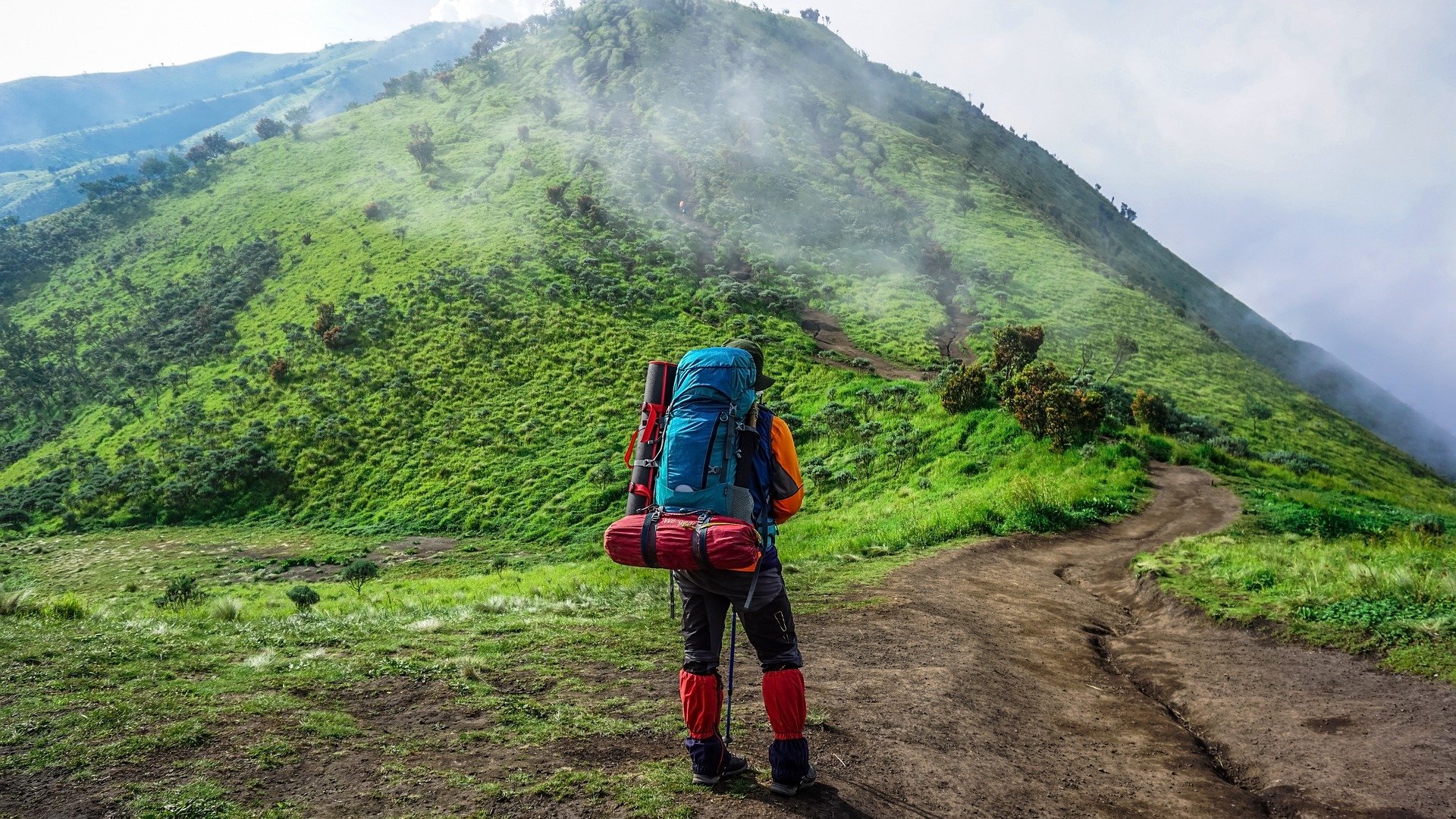
Simplicity is where it’s at for backpacking food and gear, regardless of whether you need to eat gluten free or not.
Most people will want to carry a small backpacking stove so they can enjoy hot meals. My go-to is the MSR PocketRocket 2. It quite literally will fit into your pocket (minus the fuel of course). For proper lightweight backpacking, you really only need to bring a lightweight pot for this that you can use to boil water for most of what you’ll want to cook.
Premade freeze dried meals are an easy go-to for backpacking, especially if you tend to like to get out last minute and don’t want to have to go through extensive meal prep beforehand. Fortunately, even the big names in freeze dried meals have several gluten free options these days.
Mountain House have always been my old reliable brand for backpacking meals, even before I had gluten issues. They taste decent and the packaging holds up (which is important if you don’t want to have to carry extra pouches to cook your food in.)
These are my favorite gluten free dinner options from Mountain House:
Chicken & Mashed Potatoes - this is an old reliable that I can usually stomach even if my appetite is acting up due to elevation and fatigue.
Kung Pao Chicken - a little extra flavor is always nice!
Breakfast Skillet - because who doesn’t like breakfast for dinner?
Mountain House actually has quite a few more options that are gluten free that I haven’t tried as I have a carrot allergy so anything with those are off limits for me. Do note that if you eat a whole pouch, there is quite a bit of sodium in these! So drink plenty of extra water, share it with someone, or break these down into two portions. These are some great pouches for customizing portion sizes and you can cook in them just like the original ones.
For breakfast, in addition to the Mountain House breakfast skillet above, instant oatmeal is definitely a go-to. Instant Quaker Oats does have varieties marked Gluten Free available in the little pouches in numerous flavors. All you need to do is dump these in a bowl with hot water, let sit, and you’re good to go.
While all the freeze dried meals are great in a pinch, sometimes if you have a little extra free time before your trip it can be nice to plan at least one or more “normal” meals. For that first night especially, you can carry a little extra weight and some things that would spoil the next day and have yourself quite a feast!
If you know you’ll be hiking to a site that offers a proper campfire ring, there’s a few fun meals you can pack. One, you can pack a frozen steak (it should be thawed out by dinnertime) along with some easy to roast veggies like asparagus, broccoli, squash, peppers, etc. It’s great to just chop these up and throw them in a foil packet with some butter or oil and seasoning, then all you have to do is throw them on some hot coals, or ideally an ultralight cooking grate in case that fire runs too hot, to cook that evening.
Foil packets can be used for several other dishes too. You can prep some Juicy Lucys, which are large, formed balls of ground beef stuffed with cheese(s) and onions, bacon, peppers, or whatever else you feel like throwing inside. Another foil packet favorite is salmon with butter, herbs, and fresh lemon. Potatoes are another great foil packet side dish, and those extra carbs and potassium are definitely appreciated by your body when you’re logging all those miles. You can precook the potatoes in advance as well to drastically shorten your cooking time.
Desserts can also be made in foil packets. A truly simple favorite of mine is throwing sliced apples with cinnamon and sugar in a foil packet. Just be careful and let it cool down well before trying to eat as it will be like lava! You can top it with some gluten free oats and sugar to make a sort of crumble topping as well. And of course, if you must have smores when camping, there are great gluten free graham crackers available now to satisfy your cravings.
Hiking Snacks and Lunches
Everyone has their own preferences with meals and eating times when hiking and backpacking. Some people prefer to eat a big breakfast and dinner and only eat on the go snacks like energy bars while hiking with minimal stopping. Others like to eat a light (or no) breakfast and set aside at least 30 minutes or so to relax with a decent sized lunch, ideally somewhere comfortable with a view, before moving on. I generally prefer the latter as I have a hard time stomaching much food first thing in the morning, but by lunchtime, I’m generally ravenous!
Here are some of my favorite things to pack for lunches:
Salmon or Tuna pouches, along with gluten free bread, crackers, potato chips or corn tortillas. I love the Starkist brand for both of these, especially for all the “Tuna Creations” flavors like zesty lemon pepper, and bold buffalo style, which are both gluten free and delicious! Note, some other flavors do have gluten - only buy the pouches that are labelled gluten free! These packets are great for longer journeys and pack some great nutrition. Just try not to make a mess all over yourself if you’re in bear country!
Summer sausage, cheese and gluten free bread or crackers. This has always been a favorite. Most hard cheeses like cheddar and gouda can last several days unrefrigerated, ideally stored in an insulated pouch if the weather is on the warmer side. These pouches are also great for packing other things that you want to keep fresh for a few days - like fresh berries, frozen Go-Gurt, or heck even a frozen steak if you might want to cook one on your second night.
It actually takes quite a while for hard cheese to spoil unless it’s very warm or just left out in the sun. And summer sausages do not require refrigeration until they are opened. So buy smaller sausages, meat sticks, or plan a meal to share with your hiking buddies if you only can find a larger one.
Classic PB&J - You can make these in advance and they will last for 2-3 days, assuming you have a spot in your pack where they won’t get crushed. For longer trips, just bring the bread, peanut butter, and jelly separately and assemble when ready to eat.
Justin’s Peanut Butter packets are perfect for this, and also make a great on the go snack as you can tear into one and suck it down while hiking for a quick energy boost! They also have a variety of flavors to save you from peanut butter boredom.
For jelly, grab some of those extra little single serve jams at a diner or hotel continental breakfast. You can of course purchase these as well, but depending on how often you go backpacking, it may take you a while to go through the massive quantity these are sold by!
For the gluten free bread, my current favorites for basic sandwiches when you don’t have access to a toaster are the 365 Whole Foods brand. Both the white and multigrain versions are excellent in flavor and texture!
Smoked oysters or sardines and crackers. The smoked oysters are a special favorite of mine, but it’s mandatory for me to have some hot sauce to go with (see below for a sneaky hack!) These are delicious, filling, and super loaded with iron and other minerals. Plus, it’s one of those hiking treats that feels just a tad gourmet, even though it comes in a can!
Snacks
Rx Bars - These are all naturally gluten free with simple, real ingredients and pack a nice balance of protein and carbs. They also work well in various climates, though the ones with chocolate can be a bit messy in hot weather. In extra cold weather, keep one in your jacket pocket so it’s soft when you want to eat it.
String Cheese - This can keep for several days in an insulated pouch and is super easy to eat on the go - just chomp it!
Trail mix or GORP - There’s a reason this is still a thing. Note, granola typically is not gluten free, so if you’re making a traditional GORP, be sure you get gluten free granola like this one, which is my favorite as the clusters are huge! Otherwise, just mix up some peanuts, almonds, raisins, dried cranberries, and of course M&Ms for a classic trail mix. If you want a little extra salt and crunch, add some Snyder’s gluten free pretzels!
simplyFUEL Protein Balls - I love these for a quick energy boost as they have just enough protein to not cause a sugar crash and are super yummy to boot!
Honey Stinger Gluten Free Stroopwafels - These are beyond delicious! I prefer these as a dessert or if it’s getting late and I know I still have a few more miles to go and need a morale boost as well as an energy boost.
Extra hacks
*Backpacking hack alert! Sometime before your trip or on the drive to the trailhead, stop in grocery store or deli and grab extra little packets of things like mayonnaise and mustard. As mentioned earlier, a diner or hotel continental breakfast can be great for snagging some mini jams. Oh, and if you’re in the mood for a challenge, try to find the mini bottles of Tabasco - great with smoked oysters!
